
|
Podcast merch!
Listen and subscribe: RSS FEED ITUNES Soundcloud Stitcher Spotify If the episodes below don't load, turn off your ad blocker. |
|
|
If you're a cyclist who's intermediate or advanced in strength training, listen in. In our last strength training mistakes episode, we considered more general topics like nutrition, recovery, and periodization. Today we get into issues (and their solutions) concerning how you know you're working the right muscles, using lifting equipment like belts and shoes, range of motion and partial depth, HIT classes and kettlebell swings, power development in the gym, and long term strength goals. We also answer your listener questions that were asked on Kolie's Instagram, like if your knees can go past your toes, if strength training can increase your FTP, where you can see diminishing returns on the bike, going for PRs, and lots more.
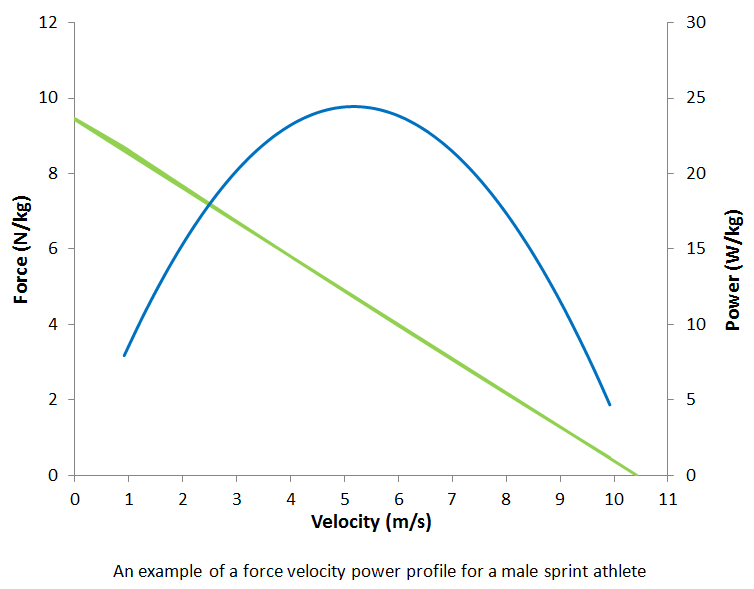
Show Notes Old (A.V. Hill) vs on-bike force-velocity-power curves. 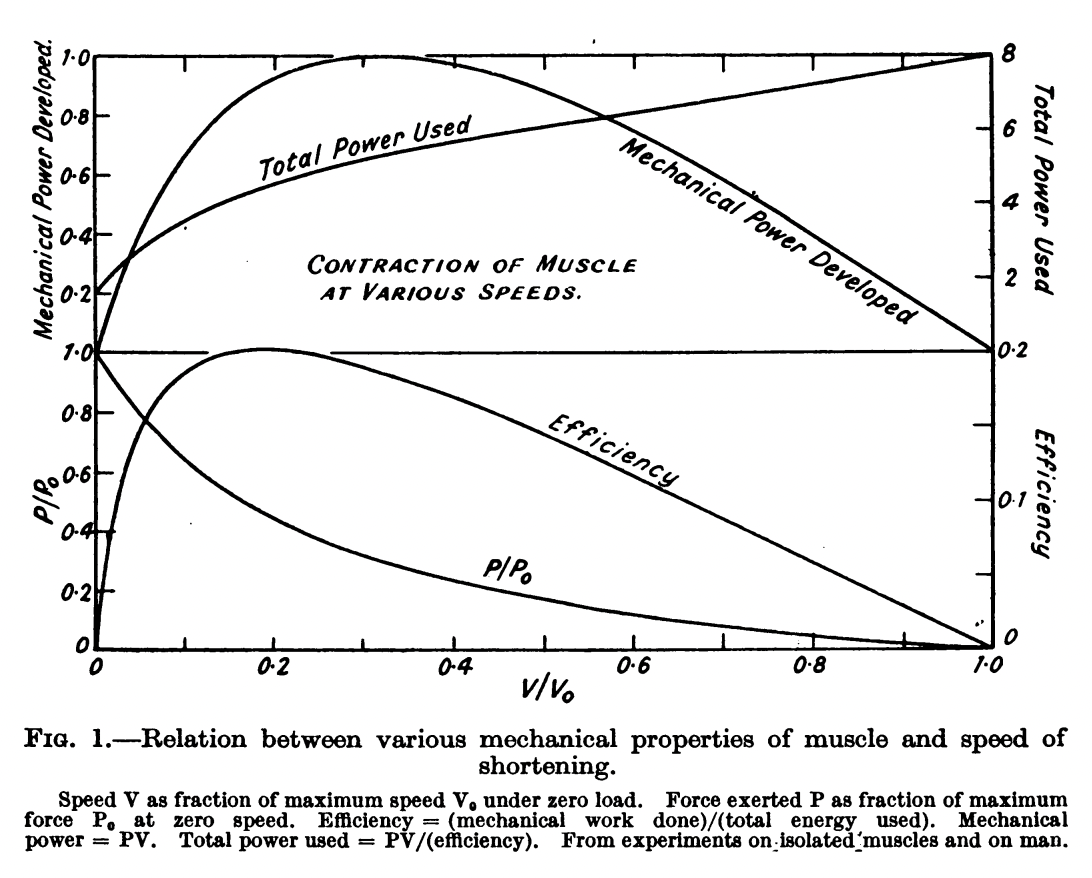
Hill's originally published force-velocity-power curve in isolated muscle.
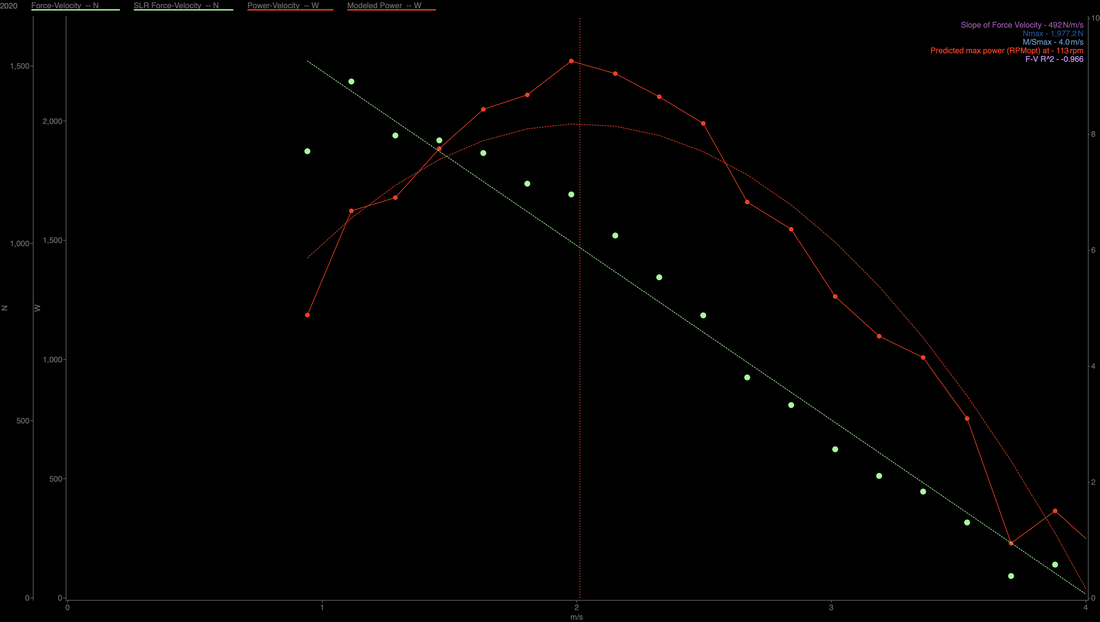
Field data derived power-force-velocity curve in WKO5.
0 Comments
By popular demand, we bring you the track episode! We first consider race durations and when you would need aerobic training (it's shorter than you may think), gearing and cadence, technique practice, strategy, the role of sprinting and strength training for mass start racing. We finally tackle some things about training for track sprint and what we've seen work well and not so well, plus a lot of tangential discussion around our favorite moments and people on the track. And finally, we answer your listener questions on training for the track.
To kick off 2024, Kolie and Rory discuss how and why training zones fall short, and how they can actually impair progress if taken to logical extremes. We build the conversation back up by thinking about their inception as descriptive rather than prescriptive, how WKO5's iLevels do, the reality of muscular adaptation, and how we actually think about training effectiveness, progression and adaptation.
Show Notes Influence of exercise intensity and duration on biochemical adaptations in skeletal muscle
After you've built up your aerobic engine, what does it mean to get ready to race? Empirical Cycling coach Alex Carmona brings his wealth of coaching and racing experience when discussing transitioning from your build to harder efforts, honing non-fitness skills, the balance of racing and workout intensity in season, and race specific preparation examples. We also discuss tapering into one day races, stage races, high and low volume tapering, guidelines about how often it should be done per year, and as always, your listener questions.
After some background information on what redox state means for exercise and your mitochondria, we look at some experiments linking various intensities of exercise to adaptations. Then we look at where these signals overlap with dieting and rest, and tie these into advice and realistic expectations for training, recovery, and nutrition. We also answer your listener questions on RED-S, measuring recovery, exercise intensity, and more.
Show Notes Review papers on fluorescence measurement and redox adaptations Mitochondrial function in vivo evaluated by NADH fluorescence: from animal models to human studies NAD+/NADH and skeletal muscle mitochondrial adaptations to exercise Main podcast study Nuclear SIRT1 activity, but not protein content, regulates mitochondrial biogenesis in rat and human skeletal muscle Frequently referenced study linking SIRT activation to mitochondrial biogenesis (not mentioned in episode) Sirtuin 1 (SIRT1) Deacetylase Activity Is Not Required for Mitochondrial Biogenesis or Peroxisome Proliferator-activated Receptor-γ Coactivator-1α (PGC-1α) Deacetylation following Endurance Exercise*
This episode looks at all the ways people tend to mess up their rest and recovery days so they're not nearly as restorative as they could be, including such things as riding too hard, lifting weights, cross training, not eating enough. We then suggest guidelines for taking rest days or weeks, getting maximum recovery benefits, individualizing these days to work best for you, and answer your listener questions.
In this episode, 20+ year bike racing veteran Giancarlo Bianchi discusses the tactics of bike racing, and the process of honing racecraft and why people thought his FTP was significantly higher than it is. We cover the chess-game aspects of bike racing like positioning, aerodynamics, wind, reading the competition and body language, course and competitor recon, and a lot of stories from his own race career. We also answer your listener questions like how to practice with few racing opportunities, tactics that might annoy other racers, and much more.
Kyle makes it back from the desert in time to discuss common mistakes cyclists tend to make when they incorporate strength training. We discuss things like tracking load and fatigue, impact on the bike, recovery, session frequency and where it should occur in the week, max testing.. We also answer your listener questions on explosive lifting, hypertrophy vs strength phases, expected fitness impacts on the bike, alternatives to strength, water weight, and many other things.
When it comes to glycogen, does "train low" actually work? Rory joints to co-host as we examine and dissect the existing literature, and explore the limits of knowledge on p38 MAPK signaling as it relates to aerobic performance. We go through Kolie's coaching experience with these protocols, compare to existing recommendations, discuss why you should always check someone's references, and answer your listener questions.
Show Notes Exercise Stimulates Pgc-1α Transcription in Skeletal Muscle through Activation of the p38 MAPK Pathway Acute signalling responses to intense endurance training commenced with low or normal muscle glycogen Skeletal muscle adaptation and performance responses to once a day versus twice every second day endurance training regimens
Pro cyclist and coach Taylor Warren joins for a wide ranging discussion, including how he still finds fitness improvements after a decade of training and racing, balancing rest and workouts mid season, the value of the basics, RPE, and if American racing has gotten easier or harder. We also answer your listener questions on Legion's tactics, the most important power durations for domestic US racing, racing the course vs racing the people, training regrets, how much pros train, and more.
Show Notes Taylor Warren bio Taylor's IG |
Archives
July 2024
Categories
All
|
 RSS Feed